
Event guide · Mon 09 Nov 2026
Tokyo Jewish Film Festival 2026: five bilingual days in Hiroo, 21 to 25 November
The second Tokyo Jewish Film Festival runs from Saturday 21 to Wednesday 25 November 2026, five days of Jewish and Israeli cinema in Japanese and English, split between the Jewish Community Center in Hiroo and the Tree of Life Community Center. The films to pick, the days to choose between, and what a ticket costs.
Tokyo has film festivals that fill multiplexes, and then it has this one: five days in two small community venues, every screening bilingual, run by volunteers who describe it plainly as a bridge between Jewish and Israeli storytellers and Japan. The Tokyo Jewish Film Festival is back for its second edition from Saturday 21 to Wednesday 25 November 2026, based at the Jewish Community Center of Japan in Hiroo, with one day at the Tree of Life Community Center. Our event listing carries the dates and venues; this guide is about choosing your days well.
Why this festival exists
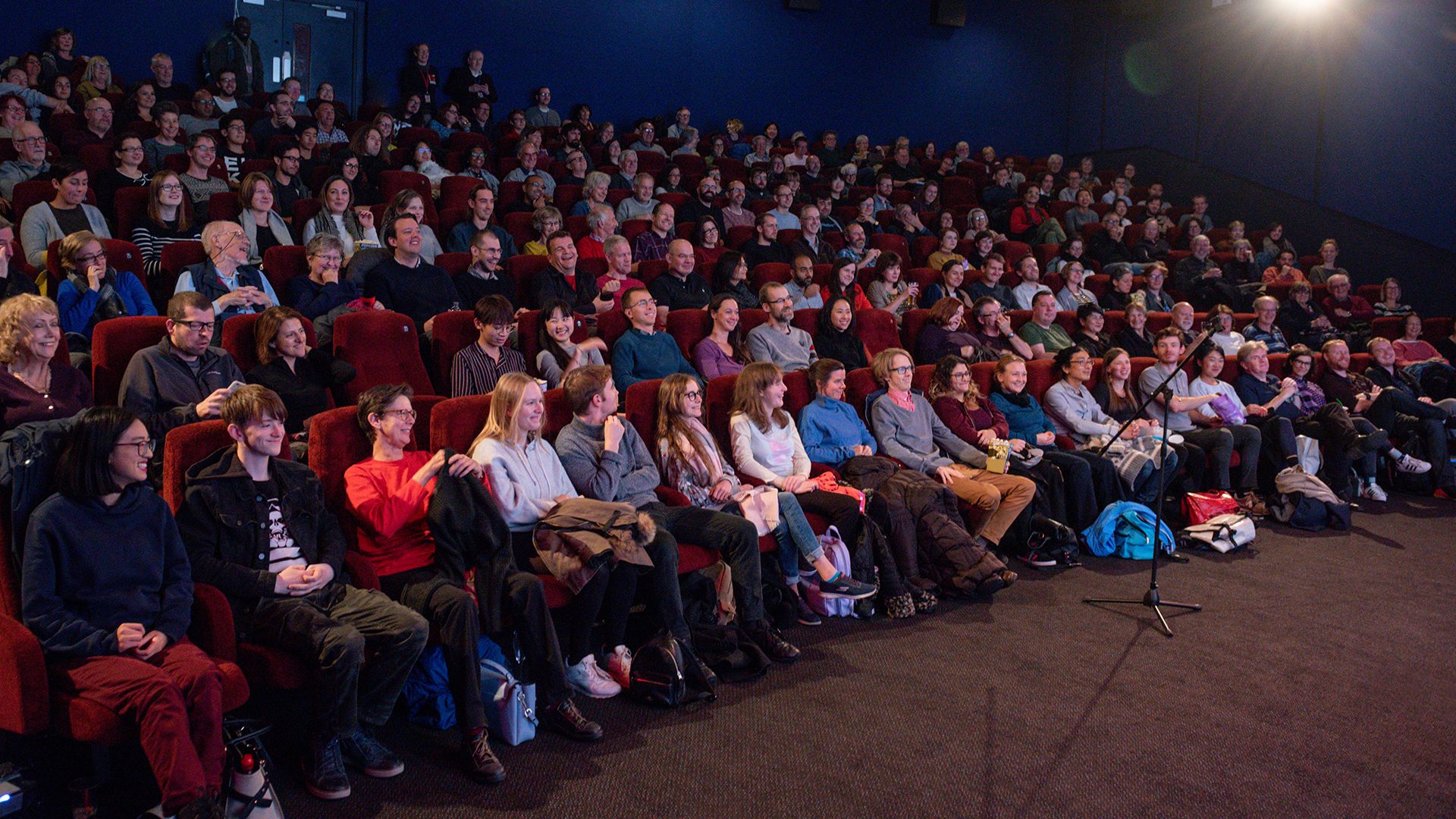
The idea is in the programme itself. Alongside Israeli features and young filmmakers sits a documentary about Jewish refugees who fled Nazi Europe and found refuge in wartime Japan, Kobe among the places that took them in. That shared history is the festival's home ground: stories that belong to both countries, discussed in both languages. Every programme runs in Japanese and English, talks and Q&A sessions included, so nothing here needs a language you do not have. It is a non-profit, community-run festival, and it feels like one in the best way: small rooms, filmmakers within reach, and conversation treated as part of the screening rather than an extra.
The five days, day by day
Saturday 21 November, opening night, Jewish Community Center of Japan. The festival waits for Shabbat to end before it starts, so doors open at 18:30 for a welcome reception. Opening remarks follow at 19:00, and then the opening film at 19:15, with a recorded interview and a discussion to close the night.
Sunday 22 November, family day, Jewish Community Center of Japan. The family day stays at the JCC, built around hands-on workshops and Israeli animation shorts. This is the day to bring children, and the gentlest way into the festival if features and late nights are not your thing.
Monday 23 November, Tree of Life Community Center. Monday is a national holiday in Japan, and the festival moves to the Tree of Life Community Center for its Emerging Voices day: newer filmmakers, student work and workshops. If you want to see where the next edition's names come from, this is the day.
Tuesday 24 November, Jewish Community Center of Japan. An evening built around the Marylka Project, and the first screening of Where But Into the Sea, the festival's centrepiece documentary.
Wednesday 25 November, closing night, Jewish Community Center of Japan. Closing night pairs Embrace of the Harbor with a second screening of Where But Into the Sea, so anyone who missed Tuesday gets the film that most people will be talking about.
Three films to build around
My Neighbor Adolf opens the festival, and it sets the tone: a dark comedy, not a solemn opener. South America in 1960: a grumpy Holocaust survivor becomes convinced that his new German neighbour is Adolf Hitler, and sets out to prove it. Leon Prudovsky directs, the film runs 96 minutes, and after the screening a recorded interview with Prudovsky plays, followed by an open discussion with Kinneret Peled Amiri, the film's screenwriter, who also appears in it. Opening night is the one evening that is a full occasion, reception to closing drink, so book the night rather than the film.
Where But Into the Sea is the film this festival exists to show. It follows Jewish refugees who escaped Nazi Europe and found shelter in wartime Japan, a history that runs through Kobe and that most audiences, Japanese and international alike, have never seen told on screen. It screens twice, on Tuesday with a filmmakers' Q&A and again on closing night. If you can only pick one screening in the whole five days, pick Tuesday: the film, then the people who made it, in the room.
Embrace of the Harbor shares closing night, a documentary companion piece that brings the refugee story home to the port cities that received it. Seen after Where But Into the Sea, it closes the festival's argument: the sea between Europe and Japan carried people to safety, and the harbours remember.
Tickets, and what a day costs
Tickets are sold per screening, and the pricing is as simple as festival pricing gets. A basic ticket is ¥1,500 [about US$10], which buys one screening of your choice plus the post-screening Q&A. Seniors and students pay ¥1,000 [about US$7], with valid ID at the door. A supporter ticket is ¥3,000 [about US$20]: the same screening, with the extra treated as a donation, and your name on the festival's Special Thanks page. There is no pass to puzzle over and no tier that unlocks the talks, because the talks come with the ticket. A two-film day, even at full price, costs less than most single multiplex tickets in this city once the premium screen charges land.
Practical notes
Hiroo is the base for four of the five days. The Jewish Community Center of Japan stands at 3-8-4 Hiroo, Shibuya, a residential neighbourhood between Ebisu and Roppongi, served by Hiroo Station on the Tokyo Metro Hibiya Line. Only Monday moves, to the Tree of Life Community Center, so check which venue your day uses before you set out. Opening night starts late by festival standards, 18:30 doors, because it waits for Shabbat to finish; eat before the reception or plan a late dinner in Hiroo or Ebisu afterwards. Students and seniors should carry ID, since the discount is checked at the door. And because the rooms are small, the popular evenings, opening night and Tuesday, are the ones to arrive early for.
If you are coming into Tokyo for the festival, stay near the Hibiya Line or in Ebisu and Hiroo's orbit rather than across the city:
Places to stay in Tokyovia Booking.com · affiliate link
The festival ends on Wednesday 25 November. The full record, with dates, venues and the official site, is on our event listing, and the rest of the season's arts calendar is on our Tokyo city guide.
More reading on the articles page, or go straight to the events calendar.
Noteworthy events direct to your inbox.
Get what’s noteworthy for the weekend and beyond every Wednesday in your inbox.