
Guides · Sat 21 Nov 2026
Tokyo in January 2027: the clear, cold, quietly brilliant month
January is Tokyo's most underrated month: the driest, clearest weeks of the year, the New Year shrine season at full stretch, a fifteen day sumo tournament, Coming of Age Day kimono on every street, and a city back at work and oddly calm by its own standards. The month in order, with the dates that matter and the traps in the first three days.
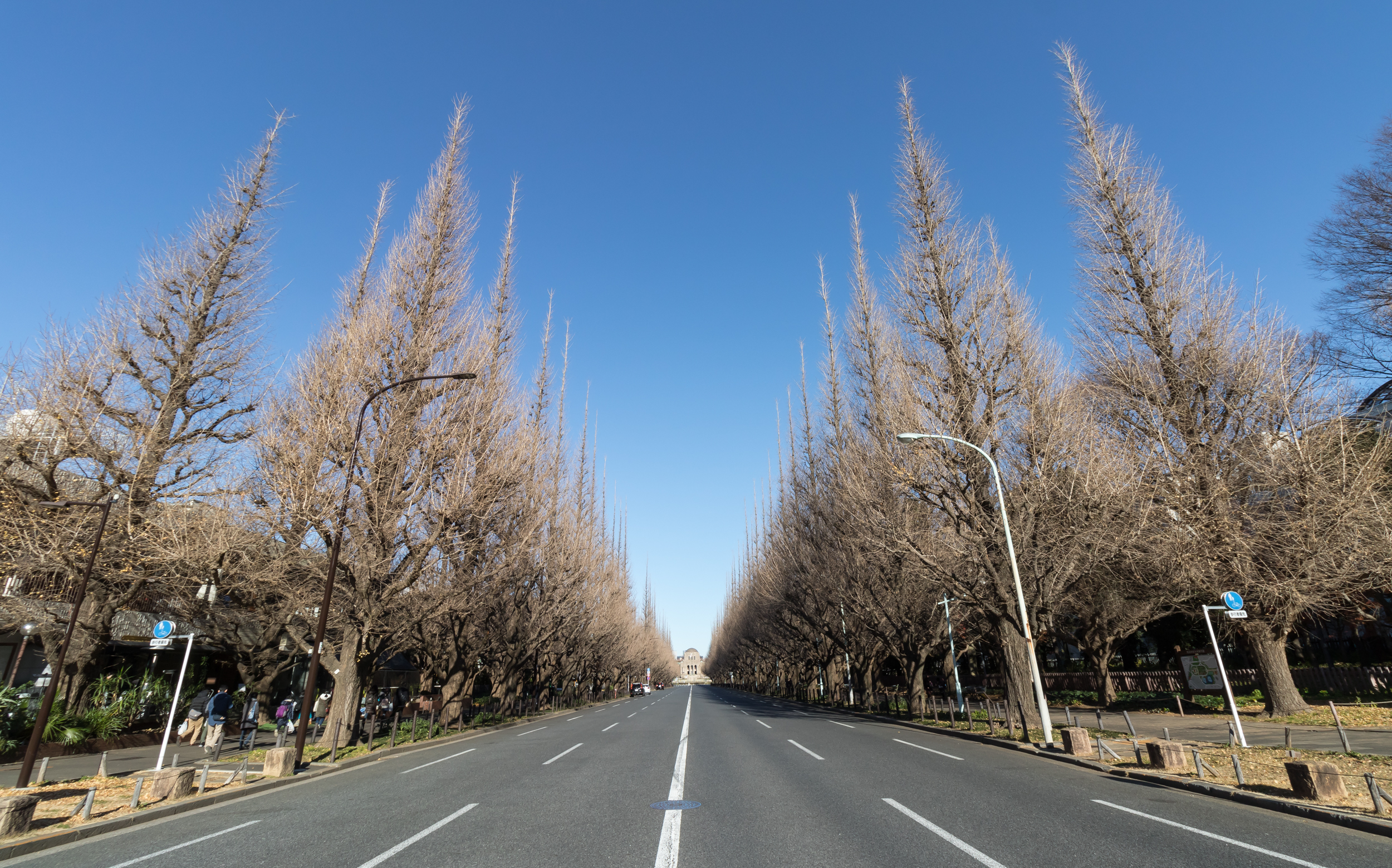
Ask Tokyo people for their favourite month and January rarely wins, which is precisely its advantage. It is the coldest month of the Tokyo year and also the clearest: the long run statistics give January the most sunshine hours of any month, dry air, and the best odds of the year of seeing Mount Fuji standing over the city from a high floor. The crowds of the autumn leaves and the cherry blossom are absent, the winter sales are on, and the calendar is far from empty. It opens with the biggest shrine days of the Japanese year, settles into a sumo tournament and a national holiday of twenty year olds in formal kimono, and ends with the city in its normal working rhythm, which is a sight in itself. This guide runs the month in order, with the one warning that matters stated first: the first three days of January are a different country, and you plan for them differently.
Days one to three: hatsumode, and what closes
The Japanese New Year is a family and shrine holiday, not a street party, and a visitor who arrives expecting countdown chaos will find something better and stranger: a great city gone quiet, and its shrines full. Hatsumode, the first shrine or temple visit of the year, runs from the night of 31 December through the first three days of January, and Tokyo's great shrines take the crowds in the millions between them. Meiji Jingu, in its forest beside Harajuku, is the busiest of all and stays open through the night into New Year's Day; Senso-ji in Asakusa is the other great crowd, with its approach street of stalls doing the year's best trade. Go, by all means, but go as a participant rather than a sightseer: join the queue, throw the coin, buy the year's first fortune, and accept that the visit is the queue.
The practical trap is closures. Across 1 to 3 January, many museums, gardens, smaller restaurants and independent shops close or run short hours, banks shut, and cash machines can follow bank hours, so arrive with cash in hand. Department stores and chains largely reopen from 2 January with the winter sales and the famous lucky bags. None of this is a reason to avoid the dates. It is a reason to spend them the Tokyo way: shrines, parks, hotel breakfasts, long walks in the empty streets, and the year's first sunrise, which the clear January sky delivers more reliably than any other month manages.
Two fixtures fill the holiday itself. On 2 January, the Imperial New Year Greeting brings the Imperial family to a balcony of the Imperial Palace to wave to crowds in the plaza, one of only two days a year the inner palace grounds open to the public in this way; the 2027 session times are published by the Imperial Household Agency closer to the day. And across 2 and 3 January, the Hakone Ekiden, the university relay race between Tokyo and Hakone, closes its roadside crowds around the start and finish in Otemachi, a beloved piece of New Year television that is better watched from the pavement near the finish on the afternoon of the 3rd.
The month proper: sumo, kimono and the working city
From 4 January, Tokyo is simply itself, in good light, and the calendar fills in. The firefighters' New Year review, the dezomeshiki, with ladder acrobatics and massed fire engine displays, is held in early January at Ariake. Then, on Monday 11 January 2027, Coming of Age Day, a national holiday, fills the city's shrines, photo studios and station concourses with twenty year olds in furisode kimono and formal dress on their way to ward ceremonies. For a visitor it is the best street photography day of the winter, and it asks only that you watch respectfully and keep out of the family photographs.
The month's anchor event runs for fifteen days in the middle of it. The January Grand Sumo Tournament, the Hatsu Basho, runs from Sunday 10 to Sunday 24 January 2027 at the Ryogoku Kokugikan, the national sumo arena in Ryogoku, east of the river. Fifteen consecutive days, the top division wrestlers arriving through the afternoon, the ring entering ceremony and the best bouts in the early evening. General ticket sales open on Saturday 5 December 2026 through the Japan Sumo Association's official ticket site, and the popular weekend days and the final Sunday go first. A January trip that can bend should bend around a sumo afternoon: it is the one ticket in this guide that rewards booking the week sales open. Base yourself east for it if sumo is the point, or anywhere central if it is one day among many; Ryogoku is an easy ride from most of the city.
Eating and drinking the month
January has its own table. The New Year foods, osechi, the lacquered boxes of preserved dishes eaten across the first days, give way on 7 January to nanakusa gayu, the rice porridge of seven herbs that is the city's traditional reset after the feasting. Winter is also the season of the hotpot at full stretch, of oden simmering in convenience store cabinets and bar counters alike, and of the year's best strawberries arriving in the department store food halls while the winter sales run upstairs. None of this needs booking or planning; it needs only the awareness that a January trip eats differently from a May one, heartier and more seasonal, and that the basement food halls of the big stores, at their busiest and best in the sales weeks, are a sight of the month in themselves.
Weather, light and what to pack
The long run averages from the Japan Meteorological Agency put Tokyo's January days at highs of about 10 degrees and nights close to 1 degree, with the least rain of the year. Snow in central Tokyo is possible but not a plan: some winters bring a fall or two, most bring none, and this guide promises none. What January reliably brings is dry, hard, beautiful light and wind. The cold that catches visitors is the wind between the buildings and the chill of shrine queues and station platforms, so pack for standing still outdoors: a proper coat, gloves, and shoes made for full days of pavement. Indoors, Tokyo heats aggressively, and the layering game is won by whoever can strip down to a shirt on the subway.
The light has a second use. January's dry air is why Fuji appears. From the free observation floors and towers of the city, the mountain is a regular morning presence in midwinter and a rumour in summer. Build one clear morning around a viewpoint, go early before haze builds, and treat the mountain as the month's bonus rather than its purpose.
Getting around, and where to base
January Tokyo runs on its normal transport, with one exception: extra trains run through the night of 31 December for the shrine crowds, and the first days of the month run holiday timetables. After that, the subway is the working tool. A Tokyo Subway Ticket gives unlimited rides on the Tokyo Metro and Toei Subway networks for 24, 48 or 72 hours from first use; note what it does not cover, because the mistake is common: JR lines, including the Yamanote loop, are not included, so most visitors pair the ticket with an IC card for JR hops.
Book the Tokyo Subway Ticketvia KKday · affiliate link
Base by purpose. Shinjuku and Ikebukuro are the transport rich west side, best for day trips out of the city. Tokyo Station and Ginza suit a first trip built on museums, the palace and the bullet trains. Asakusa is the atmospheric choice for the New Year days themselves, with Senso-ji at the end of the street and Ryogoku and the sumo a short ride away. January rates, outside the first three days, are among the kindest of the year.
Stay in Tokyovia Trip.com · affiliate link
Come for the shrines if you can time the first days, come for the sumo if you can time the middle, and come any time in the month for the light. Our events calendar tracks January as the listings confirm, and the Tokyo section carries the season week by week. January does not sell itself. That is the whole charm of it.
More reading on the articles page, or go straight to the events calendar.
Noteworthy events direct to your inbox.
Get what’s noteworthy for the weekend and beyond every Wednesday in your inbox.