Guides · Sun 22 Nov 2026
Niseko in ski season: the 2026/27 guide to Hokkaido's snow capital
Four ski areas on one volcano, the most reliable powder in Japan, and a price list that rewards reading it before you book. Niseko's 2026/27 season, area by area and base by base: the confirmed opening and closing dates, the All Mountain Pass maths, night skiing, and the order to book everything in.
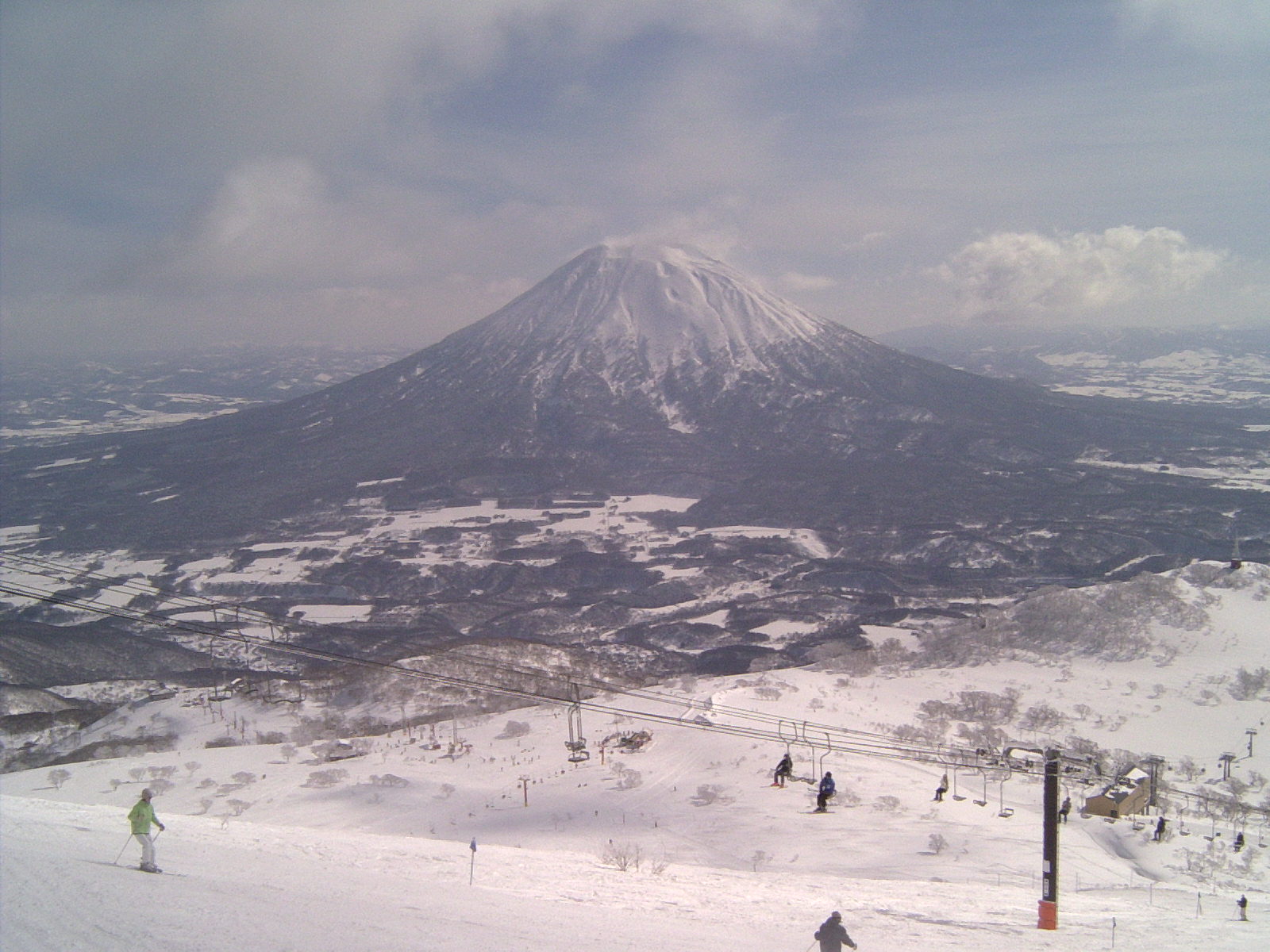
Niseko is not a resort. It is four resorts sharing one mountain, Mount Niseko Annupuri in southwest Hokkaido, looking across at a second, prettier volcano, Mount Yotei, and drawing the most international ski crowd in Japan because the snow keeps a promise: storm systems crossing the Sea of Japan load these slopes with light, dry powder, week after week, all winter. That reputation has a price, in every sense, and Niseko in 2026/27 is a place where the planning genuinely matters: which of the four areas you ski, which base you sleep in, and which pass you buy will shape the trip more than the skiing will. This guide works through all three, on the operators' own published dates and prices. For the season across the whole country, our live guide to Japan's ski season 2026/27 carries the other resorts; this piece stays on one mountain and goes deep.
The season, on the operators' dates
All four Niseko United areas plan to open on Saturday 28 November 2026, snow permitting, and they do not close together. Grand Hirafu and Annupuri are scheduled to run to 5 May 2027, through the spring holidays. Hanazono is scheduled to close on 11 April 2027 and Niseko Village on 4 April 2027. Night skiing runs from 12 December 2026 to 22 March 2027, on floodlit slopes at all four areas, with hours that vary a little by area and run into the early evening.
Read those dates the way the resort means them. An opening day in late November is a start, not a full mountain: early season means limited lifts and terrain that fills in as the storms arrive, and the peak of a Niseko winter is the deep season from late December through February, which is also, not coincidentally, the peak price band. March is the connoisseur's compromise, full cover, longer days, regular season prices from the 1st, and a mountain that has settled. April is spring skiing at two areas and then one story of closing dates, and the pass prices fall away accordingly.
The four areas
Grand Hirafu is the main event: the largest of the four, above the village of Hirafu, with the widest spread of terrain, the gondola, the steepest headline runs and the busiest base. If you ski one area on a first trip, it is this one, and if you hate a lift queue, it is also the one to start early in the morning. Hanazono, around the mountain's eastern side, is the polished end: the best beginner and park offering, excellent lift infrastructure, and the area families gravitate to. Niseko Village is the resort hotel base, ski in and ski out under the big hotels, quieter at night because the village is the hotel rather than a town. Annupuri, on the western side, is the calm one: gentle, spacious pistes, the local favourite, and the base with the most unhurried feel of the four.
The four are linked at the top when conditions allow, and separated at the bottom by a shuttle bus circuit, which is why the pass question and the base question are really the same question. Stay in Hirafu and you walk to the main lifts and ride the bus to Annupuri as a day out. Stay at Annupuri and you get the quiet mornings and the bus rides to dinner. The mountain does not care. Your evenings will.
The pass maths for 2026/27
Niseko United publishes the All Mountain Pass, covering all four areas, in five price periods, and the adult one day counter prices tell the season's story in five numbers. Early season, 28 November to 11 December 2026, and spring, 23 March to 4 April 2027: ¥8,800 (about US$57). Regular season, 12 to 23 December and 1 to 22 March: ¥12,600 (about US$81). Peak season, 24 December 2026 to 28 February 2027: ¥13,500 (about US$87). The final weeks, 5 April to 5 May, drop to ¥6,300 (about US$41). Multi day passes trim the daily rate as the days stack, online purchase undercuts the counter, and single area passes exist for skiers who know they will stay put: an Annupuri only day in peak season, for example, is priced well under the All Mountain rate. Niseko United is also an Ikon Pass partner, so Ikon holders should price their included days before buying anything.
The decision rule is simple. If you will cross between areas on most days, and first timers almost always do once the top links are open, the All Mountain Pass is the product and the only question is the period price. If your trip is a Hirafu trip with one excursion, price the single area pass plus one All Mountain day against the full pass before you buy. And note the shape of the peak band before you book flights: it swallows Christmas, New Year, January and February whole, so the famous powder months are the expensive months, at the full rate, with no shoulder to hide in except the first half of December and March.
The snow itself, stated plainly
Niseko's fame rests on a weather pattern, not a marketing line. Moist air crosses the Sea of Japan, hits Hokkaido's mountains, and unloads, again and again through the winter, which is why the resort measures its season in metres of snowfall and why powder days here are a rhythm rather than an event. Two qualifications belong in any guide. The same storms that deliver the powder also close the top lifts in high wind, sometimes for a day at a time, and a Niseko week should be planned with a spare day in it for exactly that reason; the villages, the onsen and the lower tree runs exist for the storm days, and locals treat them as part of the product rather than a failure of it. And the cold is real and dry, the kind that finds the gap between glove and sleeve on a chairlift, so the layering advice given to every Hokkaido traveller applies on the mountain with interest. None of this dents the reputation. It explains its shape: Niseko is not a resort that promises blue skies. It promises snow, frequently, in quantity, and it keeps that promise more reliably than almost anywhere else on earth.
Where to sleep, and getting there
Hirafu village is the default base and the right one for most first trips: the densest choice of places to stay and eat, the main lifts at the top of the village, and the social centre of the mountain after dark. Niseko Village suits travellers who want the hotel to be the resort. Annupuri suits repeat visitors and quiet seekers. Kutchan, the working town twenty minutes away by bus, is the budget base, with the train station, the supermarkets and prices that remember what ski towns used to cost, at the price of a bus ride to every ski day.
The mountain is reached from New Chitose Airport, Sapporo's gateway, in about two and a half hours by direct resort coach, or by train to Kutchan and a local bus, at roughly three hours. In deep winter, take the coach or the train and leave the rental car idea to people who enjoy Hokkaido's winter roads as a hobby. Book the airport transfer with the accommodation, not after it: the coaches on peak arrival days fill, and the last leg is no place to improvise with ski bags in a blizzard.
For Sapporo based skiers, there is a day trip version of all this, and it is better than it sounds: a package pairing a six hour Grand Hirafu lift pass with the return coach from central Sapporo, which turns Niseko into a single powder day inside a Sapporo trip.
Book the Grand Hirafu lift pass and Sapporo bus packagevia Klook · affiliate link
Staying on the mountain is the main event, though, and February beds in Hirafu are the scarcest in Japanese skiing. Book them first, before the passes, before the transfers.
Stay in Nisekovia Trip.com · affiliate link
The order of booking, then, is the whole guide in one line: beds first, in the base that matches your evenings; transfers second; the pass last, priced against your real itinerary once the first two are fixed. Do it in that order and Niseko is what the reputation says. Our events calendar carries the Hokkaido winter around the skiing.
More reading on the articles page, or go straight to the events calendar.
Noteworthy events direct to your inbox.
Get what’s noteworthy for the weekend and beyond every Wednesday in your inbox.