Guides · Sat 24 Oct 2026
The Japan rail pass: when it is worth it, and when it is not
Since the big price rise, the nationwide pass is a sum, not a reflex. The answer comes from three questions, where you are going, how many journeys you are making, and what kind of train you want to ride, and from three real itineraries priced out below.
For twenty years the answer to the rail pass question was yes, almost regardless of the trip. Then came the October 2023 price rise, roughly 70 percent on the pass most people buy, and the pass became what it should always have been: a piece of arithmetic. This page does the arithmetic properly. The pass is not dead. It is narrower than it was, and there is now a clean test for whether it fits your trip, in three questions: where you are travelling, how many journeys you are making, and what type of train you want to ride.
The facts that decide it
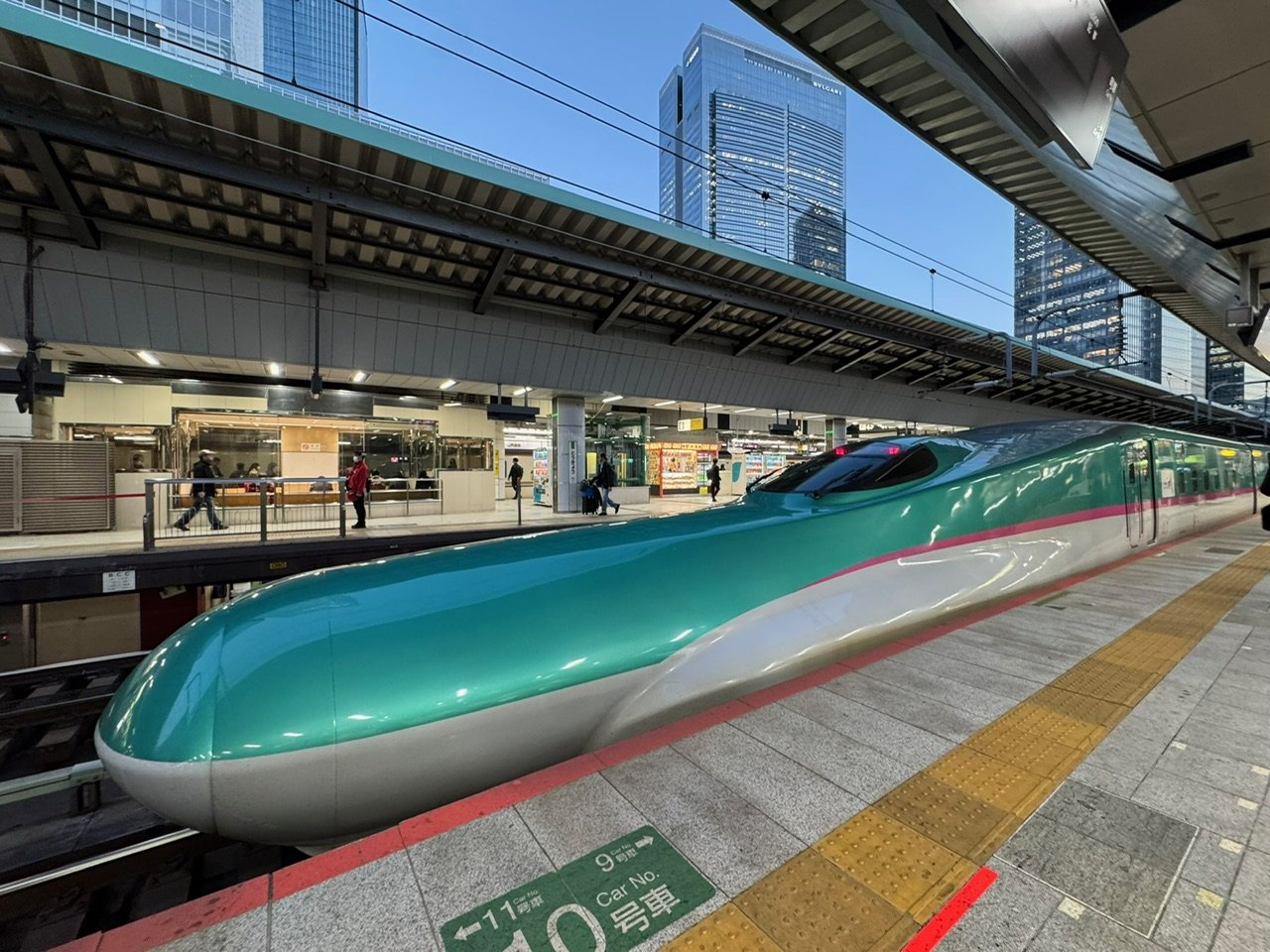
The nationwide pass covers JR trains across Japan: most shinkansen, limited expresses, the Narita Express from the airport, JR local lines, some JR buses and the JR West ferry to Miyajima. It does not cover private railways or city subways, so an IC card stays in your pocket regardless. Validity runs in consecutive calendar days from the day you activate it, not in travel days, which is why bunching your long journeys into one stretch matters so much.
Buy it from the official online site if you buy it at all. Since 1 October 2026, passes bought as exchange orders through overseas agencies have cost more, while the official site has held its prices:
| Pass | 7 days | 14 days | 21 days |
|---|---|---|---|
| Ordinary, official site | 50,000 yen | 80,000 yen | 100,000 yen |
| Ordinary, overseas agency | 53,000 yen | 84,000 yen | 105,000 yen |
| Green Car, official site | 70,000 yen | 110,000 yen | 140,000 yen |
| Green Car, overseas agency | 74,000 yen | 116,000 yen | 147,000 yen |
Children aged 6 to 11 pay half price. The agency gap is 3,000 yen on the shortest pass and grows with the length, real money spent on nothing but the channel.
The ceiling: Green Car, and no Gran Class
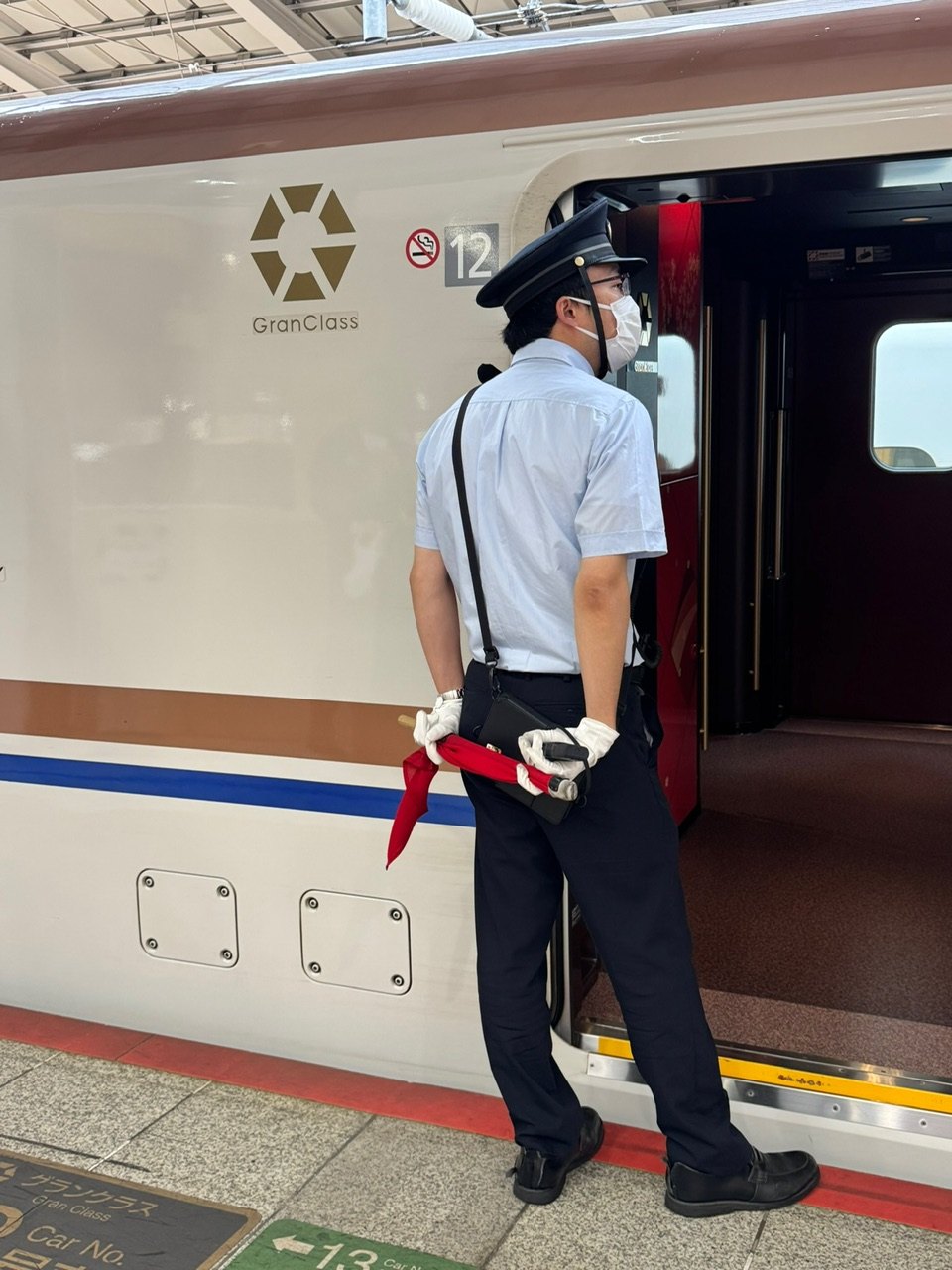
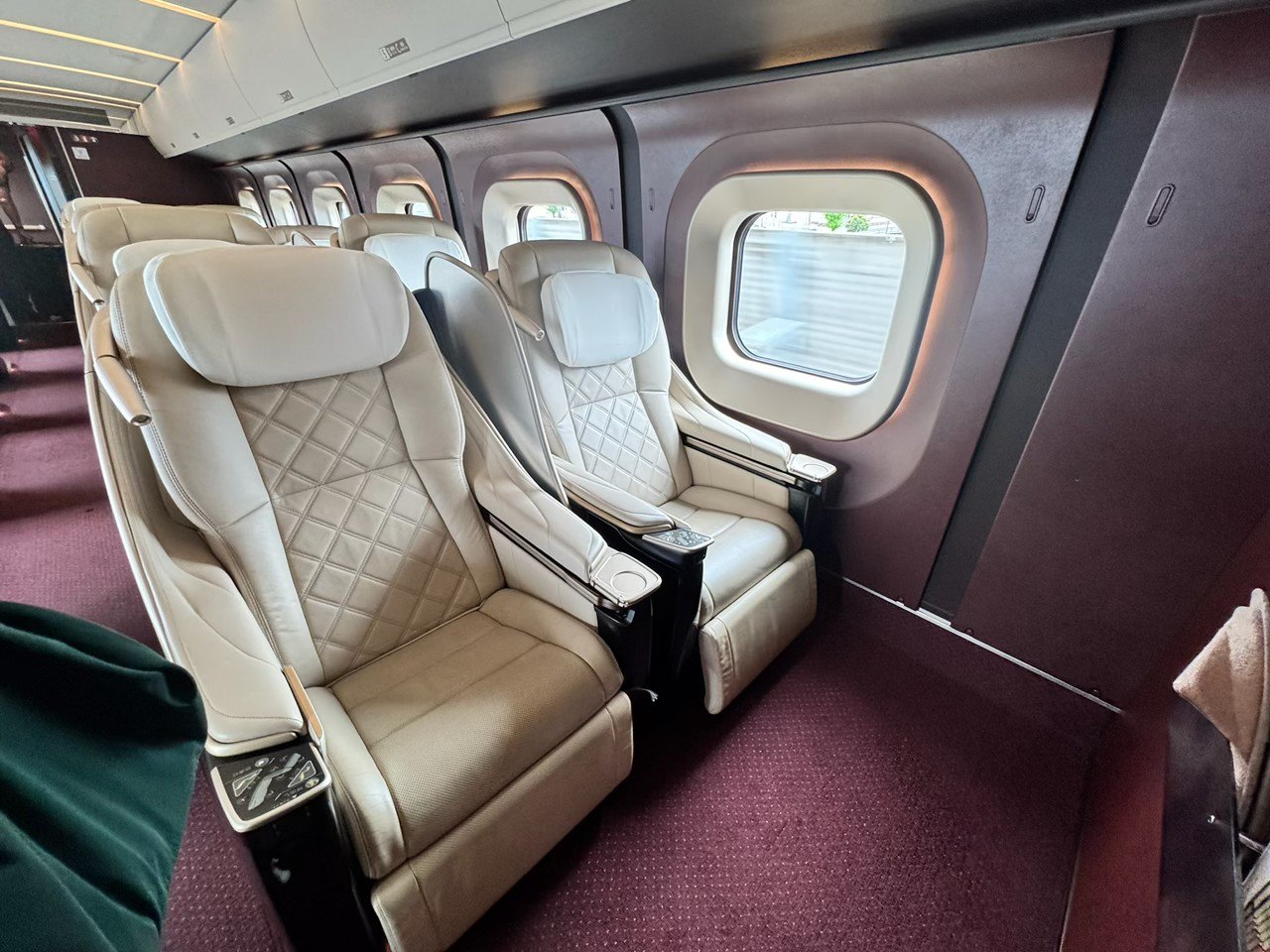
The pass tops out at Green Car, JR's first class. Gran Class, the small luxury cabin above it, is not included on either version of the pass, and no supplement turns a pass into a Gran Class ticket. A pass holder who rides Gran Class gets only the basic fare component covered by the pass and pays the limited express charge and the Gran Class fee separately, for every ride. Two further limits follow. Gran Class runs only on JR East shinkansen, the Tohoku, Hokkaido, Hokuriku and Joetsu lines, never on the Tokaido, so on the classic Tokyo to Kyoto route it does not exist at all. And on the fastest trains of the west, Nozomi on the Tokaido and Sanyo lines and Mizuho on the Sanyo and Kyushu lines, the pass alone does not get you a seat: holders buy a special ticket for each ride, 4,960 yen between Tokyo and Kyoto or Shin-Osaka, or ride the Hikari, Kodama and Sakura services, which the pass covers outright. Our line-by-line guide shows where each of those trains runs.
Three trips, priced
The classic loop. Tokyo to Kyoto, a short hop on to Osaka, and back to Tokyo inside a week is the first trip most people take, and it no longer comes close. The single tickets add up to about 29,920 yen against a 50,000 yen pass: the pass loses by about 20,000 yen. Verdict: buy single tickets, and spend the saving on the trip itself.
Adding Hiroshima. Tokyo to Kyoto, on to Hiroshima, and the long ride back to Tokyo prices out at about 46,000 yen in single reserved-seat tickets: close to the pass, but still under it. This is the borderline band. The pass starts to win here only if the extras stack up: the Narita Express at both ends of the trip, a day trip or two by JR, the Miyajima ferry, which the pass covers. Count the extras honestly, at the fares you would really pay, and let the total decide.
Five cities in seven days. Tokyo, Osaka, Hiroshima and Fukuoka, and back to Tokyo inside the week: about 63,030 yen in single tickets against the same 50,000 yen pass. Now the pass wins, by about 13,000 yen, and it keeps winning the faster you move. Verdict: buy the pass, from the official site, and keep the long legs inside one validity window.
The rule of thumb
From those three trips: the 7-day pass needs roughly a Tokyo to Hiroshima return level of distance inside its seven days, with the journeys compressed into consecutive days, before it beats single tickets. Below that distance, singles win. Around it, count the airport trains and the day trips. Well beyond it, or with a second region fitted into the same window, the pass wins. The 14 and 21 day passes follow the same logic at their own prices. They suit slow, wide trips only when the long legs still bunch together, because a pass day spent riding nothing but a city loop line is a day of validity spent for almost nothing.
The middle option: regional passes
Between the national pass and single tickets sits the option the old yes-or-no debate ignored. Each JR company sells regional passes covering its own territory: Hokkaido, the east, the west, Kyushu, and smaller areas still. They cost less than the national pass because they cover less ground. If your trip lives inside one region, a week in Kansai and along the Sanyo corridor, say, or a Tohoku festival run, price the regional pass before settling on either of the other two options. It is the right answer for a large share of second trips to Japan.
The verdicts, in one place
- Worth it Long distances compressed into one window: Hiroshima and beyond, two regions in a week, or a festival run of long legs.
- Borderline Tokyo to Hiroshima and back inside seven days. Count the airport express, the ferry and the day trips before you decide.
- Buy singles Tokyo, Kyoto and Osaka in any combination, one region at a gentle pace, or any trip whose long legs spread beyond one validity window.
If your dates are flexible, the crowd calendar in when to go, and when not to is worth reading alongside this, because at peak times the pass question stops being only about money: the reserved seats on the covered trains are what run out first. And if the trip is still a sketch, the trip planner will lay the route out so you can count the long legs yourself.
Pass prices and the two-channel split: JR Group, from the official Japan Rail Pass site and the JR price revision notice, checked October 2026. Gran Class and the Nozomi and Mizuho special ticket: JR pass conditions. Single-ticket totals in the worked examples: reserved-seat fares as published in October 2026, rounded in the text; fares vary slightly by season and by train, so reprice your exact journeys before you buy.
More reading on the articles page, or go straight to the events calendar.